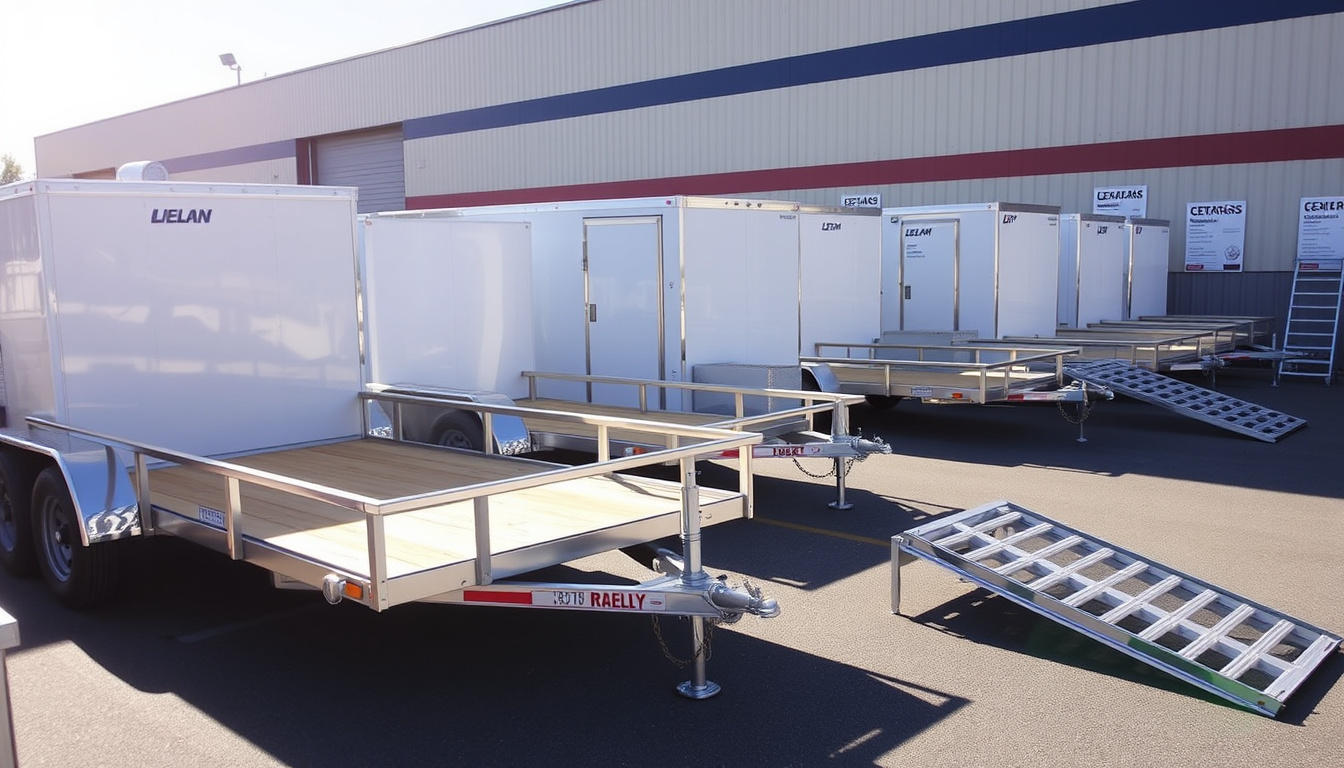

Hiring a trailer offers a cost-effective alternative to full-service removalists, allowing Australians to handle their own moves on their own terms. Trailer hire services across the country provide flexible options for those planning a DIY house move, with daily rates, multiple sizes, and nationwide pickup locations available.
Move Yourself operates one of the largest trailer hire networks in Australia, with more than 950 locations nationwide offering trailers, utes, and trucks for local and one-way hires. Understanding the costs, trailer sizes, licensing requirements, and safety practices helps ensure a smooth self-move experience.
How Much Does Trailer Hire Cost for Moving?
Daily trailer hire rates in Australia range from $30 to $150 depending on trailer type, size, and rental duration. Providers typically offer discounts for weekly or monthly hires, making longer moves more economical. Additional fees may apply for insurance coverage, mileage, distance traveled, accessories such as straps and tarps, or interstate travel.
Trailer Hire Cost Overview
Key Insights for Budget-Conscious Movers
- DIY moves can save $1,000 or more compared to full-service removalists
- Peak demand occurs during summer weekends and end-of-month periods
- Refrigerator loading follows the 80 kg/m² rule for safe weight distribution
- Most standard car licences cover trailer combos under 4.5 tonnes GCM
- Refundable deposits typically range from $200–$500
- Enclosed trailers offer weather protection for furniture during transit
Trailer Type Cost Comparison
| Trailer Type | Daily Cost Range | Weekly Estimate | Key Factors |
|---|---|---|---|
| Small Box | $30–$50 | $150–$200 | Basic loads, short hires |
| Cage | $40–$70 | Varies | Open design, versatile use |
| Tandem | $50–$80 | Discounted | Heavier capacity loads |
| Car/Auto Transport | $70–$150 | Varies | Vehicle transport only |
| Enclosed Furniture | $50+ (quote-based) | Varies | Secure tandem axle models |
| Plant Trailer | $100–$150 | Varies | Heavy equipment transport |
Base rental rates remain fixed, but fuel charges, peak season surcharges, toll road tolls, and optional add-ons such as extended insurance or GPS navigation devices can increase the total. Always request a full quote before confirming your booking.
What Size Trailer Do I Need for Moving House?
Choosing the right trailer size depends on the volume of belongings, type of furniture, and your vehicle’s towing capacity. Trailers range from compact models suitable for studio moves to tandem-axle heavy-duty options for complete house relocations.
Matching Trailer Size to Your Move
- Small box trailers (under 2 metres length) work for studio or one-bedroom moves with light furniture
- Medium tandem trailers handle two-bedroom home contents with standard furniture
- Large enclosed trailers accommodate three-bedroom house moves with appliances and delicate items
- Always check your vehicle’s towing capacity on the registration label before selecting a trailer
Trailer Dimensions and Capacities
| Size | Capacity | Daily Cost | Towing Requirement |
|---|---|---|---|
| 6×4 foot | ~750 kg payload | $60/day | Standard car |
| 7×5 foot | ~1000–1500 kg | $90/day | 4×4 ideal |
| 8×5 enclosed | ~2000–3000 kg GVM | $130/day | Check licence class |
Single Axle vs Tandem Trailers
Single axle trailers cost less and are easier to manoeuvre, but tandem axle trailers provide greater stability for heavier loads and distribute weight more evenly across both axles. For furniture moves exceeding 750 kg aggregate trailer mass, a tandem trailer with brakes offers safer towing dynamics.
Trailers with Brakes for Heavy Loads
Australian road regulations require brakes on trailers exceeding 2000 kg aggregate trailer mass, or trailers over 750 kg if they weigh more than one-third of the tow vehicle’s kerb weight. Hiring a braked trailer ensures compliance with state regulations and provides additional stopping confidence when loaded heavily.
Before loading, weigh your trailer at a public weighbridge to confirm you remain within legal limits. Overweight trailers can result in fines, and insurance may not cover incidents involving overloaded vehicles.
Where Can I Hire a Trailer to Move Myself?
Trailer hire providers operate throughout Australia, with the highest concentration of locations in major cities. National networks offer the widest coverage, making it possible to pick up in one location and drop off in another. Most providers allow online or phone reservations, with trailers available across metropolitan and regional areas.
National Hire Networks
Move Yourself operates one of the largest trailer hire networks in Australia, with more than 950 locations nationwide offering trailers, utes, and trucks for local and one-way hires. Understanding the costs, trailer sizes, licensing requirements, and safety practices helps ensure a smooth self-move experience.
- Major cities including Sydney, Melbourne, Brisbane, Perth, and Adelaide have the most pickup locations
- Regional centres and rural towns offer additional access points for country moves
- One-way hires allow you to collect and return trailers at different locations
- Online booking systems make it easy to reserve trailers in advance
Booking Tips
- Compare rates across multiple providers before confirming
- Book early during peak moving periods to secure availability
- Check included accessories such as ramps, straps, and tarpaulins
- Verify pickup and return hours to plan your move efficiently
Is Trailer Hire Worth It for My Move?
Trailer hire offers a flexible and cost-effective approach for Australians planning a DIY move. With daily rates ranging from $30 to $150, multiple trailer sizes available, and over 950 pickup locations nationwide, self-movers can tailor their experience to match their needs and budget.
Whether relocating a studio apartment or a full family home, understanding trailer costs, sizing requirements, and safety regulations helps ensure a successful move. Comparing providers, checking vehicle towing capacity, and planning ahead can make trailer hire a practical alternative to full-service removalists.
Related stories




Liam O'Brien covers Australian politics and public affairs for Australia Current.