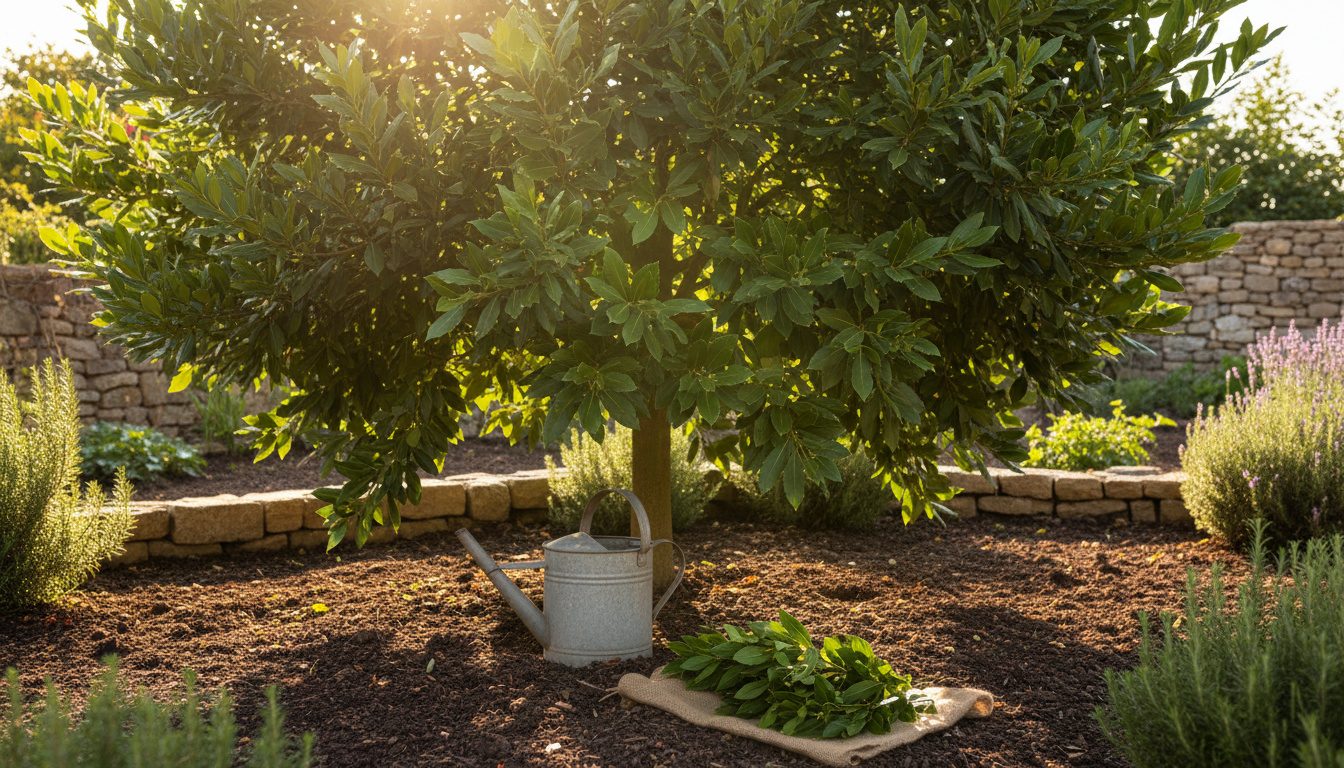
Bay laurel, botanically classified as Laurus nobilis, serves as the primary source of the aromatic leaves that flavor soups and stews across global cuisines. This slow-growing evergreen shrub, also called sweet bay or simply the bay leaf tree, thrives in Mediterranean climates but adapts readily to container cultivation for colder regions.
Home gardeners value the plant for dual purposes: as a reliable culinary herb and as an attractive ornamental specimen. The glossy, dark green foliage releases a distinctive fragrance when crushed, making it equally suitable for kitchen gardens and landscape hedges.
What Is a Bay Leaf Tree?
- Evergreen Habit: Retains glossy foliage throughout the year in suitable climates.
- Slow Expansion: Growth rate remains deliberately slow, suiting container restriction.
- Dual Function: Provides both landscape screening and culinary harvests.
- Drought Resistance: Develops significant tolerance to dry spells after establishment.
- Species Specificity: Laurus nobilis differs markedly from California bay (Umbellularia).
- Flavor Development: Leaves contain concentrated aromatic oils that intensify with drying.
| Aspect | Details |
|---|---|
| Common Names | Sweet bay, bay leaf tree, bay laurel |
| Scientific Classification | Laurus nobilis |
| Hardiness Zones | USDA 8-11 outdoors |
| Mature Height | 20-40 feet unpruned; smaller with pruning |
| Light Requirements | Full sun to partial shade |
| Soil Preference | Rich, well-drained |
| Growth Rate | Slow |
| Native Range | Mediterranean region |
| Primary Uses | Culinary seasoning, ornamental shrub |
How Do You Grow a Bay Leaf Tree?
Can You Grow Bay Leaves from a Bay Leaf?
The dried bay leaves sold for cooking will not sprout new plants. According to cultivation specialists, seeds from the tree germinate slowly and present significant difficulty, often requiring months with uncertain results. Most horticulturists recommend purchasing established transplants rather than attempting seed propagation.
How to Propagate Bay Laurel
Cuttings offer the most reliable propagation method. Take prunings from established plants and root them in coarse, moist sand under high humidity conditions—plastic bags or heated propagators work well. As noted in permaculture discussions, roots typically form within one to two months. Air layering also produces viable new plants.
Where to Plant Bay Leaf Tree
Outdoor planting requires spacing approximately five feet apart to accommodate mature spread. The species thrives in full sun with at least six hours of daily exposure, though partial shade prevents leaf scorch in extremely hot climates. Regional extension guidance recommends rich, well-drained soil amended with compost or sand to support healthy root development; standard potting mix alone proves insufficient.
In USDA zones below 8, grow bay laurel in containers of at least five gallons with drainage holes. Move pots indoors during freezing weather, positioning near sunny windows or under grow lights for 12-16 hours daily.
Bay Leaf Tree Care Essentials
How Do You Care for a Bay Laurel Tree?
Established plants require minimal intervention. Container growing guides suggest watering deeply but infrequently—every two to three weeks during summer heat, or approximately weekly once the root system matures. Allow soil to dry slightly between watering sessions; soggy conditions promote root rot. Prune regularly to control size, encourage bushiness, and provide harvest material. The species tolerates topiary shaping and hedging with minimal stress.
Can Bay Leaf Trees Grow Indoors?
Indoor cultivation succeeds with proper light management. According to University of California Master Gardeners, position containers near the sunniest available window during winter months, or supplement with grow lights. Cool indoor temperatures during winter simulate natural dormancy, with active growth resuming as spring daylight increases. Avoid locations with reflected heat or dry air currents that damage foliage.
How Fast Does a Bay Leaf Tree Grow?
Bay laurel exhibits notably slow growth, a characteristic that benefits home gardeners seeking manageable houseplants or compact landscape specimens. Unchecked outdoor plants may eventually reach 20 to 40 feet, but container restrictions and regular pruning maintain much smaller dimensions. This measured growth rate allows strategic placement in small gardens without aggressive competition with neighboring plants.
Plants in the ground require minimal supplemental feeding. Home cultivation resources indicate that potted specimens benefit from occasional nitrogen applications to support continued leaf production, though over-fertilizing damages the root system.
Are Bay Leaves Safe? Uses and Precautions
Are Bay Leaves Safe for Cooking?
The leathery, aromatic leaves serve as a staple seasoning for soups, stews, and braises. Harvest occurs anytime, with branches drying easily for long-term storage. Herb cultivation forums note that fresh leaves provide superior flavor compared to store-dried alternatives, offering cost savings for regular cooks. However, cooks should remove whole leaves before serving; while safe for flavoring, the rigid texture poses a choking hazard and the leaves remain inedible whole.
Is Bay Laurel Toxic?
Bay laurel leaves prove safe for human culinary applications when used as intended. Regarding pet safety, University of Florida IFAS Extension provides no specific toxicity documentation for dogs or other animals, though general caution applies when introducing non-food plants to households with pets. The fresh leaves and berries may present different toxicity profiles than dried culinary leaves.
True bay laurel (Laurus nobilis) differs from California bay (Umbellularia californica), which contains higher concentrations of potentially irritating compounds. Verify species identification before harvest, as California bay produces more pronounced toxicity concerns.
From Cutting to Kitchen: The Bay Leaf Tree Growth Timeline
- Propagation Stage (Months 0-2): Cuttings root in coarse sand under humid conditions. Roots establish within one to two months according to cultivation guidelines.
- Establishment Year (Year 1): Young transplants adapt to permanent containers or ground locations. Focus remains on root development rather than vigorous top growth.
- Juvenile Phase (Years 1-3): Slow vertical expansion continues. Plants reach manageable hedge height if pruned regularly. First significant harvests become possible for home cooking.
- Mature Production (Years 5+): Full-size specimens reach 10-20 feet unless restricted by pruning or containers. Dense foliage provides ample material for regular culinary use and landscape screening.
What We Know vs. What Remains Unclear About Bay Laurel
| Well-Established Information | Information Requiring Caution |
|---|---|
| Dried Laurus nobilis leaves safe for human cooking | Fresh leaf and berry toxicity to pets undocumented |
| USDA hardiness zones 8-11 for outdoor survival | Exact cold tolerance limits vary by microclimate |
| Requires well-drained soil to prevent root rot | Specific disease and pest profiles largely unstudied |
| Propagation succeeds via cuttings in 1-2 months | Seed germination timelines highly unpredictable |
| California bay (Umbellularia) is a distinct species | Cross-species comparison toxicity data incomplete |
The Mediterranean Origins of Bay Laurel
The plant’s native Mediterranean habitat explains its preferences for dry summers and mild winters. Coastal California and similar climates provide ideal outdoor growing conditions outside its native range, while the species’ adaptability to container life has extended its reach into regions with harsh winters. Modern gardeners continue traditional cultivation practices, whether for Carbon Steel Pan Guide cooking applications or ornamental landscape features.
Its dense, evergreen habit suits hedges or privacy screens in suitable climates, functioning as a woody perennial that complements herb gardens without competing aggressively when properly pruned. The aromatic foliage distinguishes it from purely ornamental shrubs, providing sensory value beyond visual appeal.
Expert Sources on Bay Laurel Cultivation
Bay laurel leaves are safe for human culinary use but not edible whole.
— University of Florida IFAS Extension
Plant in full sun or partial shade, with afternoon shade in hot climates to enhance leaf flavor and prevent scorching.
— Central Texas Gardener
Key Takeaways for Growing Bay Leaf Trees
The bay leaf tree rewards patient gardeners with decades of aromatic foliage for Kmart Food Processor Review companion cooking and attractive evergreen structure for landscapes. Success requires well-drained soil, protection from hard freezes below zone 8, and acceptance of slow growth rates. Whether cultivated as a potted herb or established as a permanent hedge, Laurus nobilis demands minimal maintenance once properly situated. Verify species identification to avoid confusion with more toxic lookalikes, and harvest regularly to maintain desired dimensions.
Frequently Asked Questions
Can bay leaf trees survive cold winters?
Outdoor survival extends to USDA zone 8, with protection needed below. Container plants must move indoors when temperatures drop below 20°F, though brief exposure to mid-teens may cause only light damage.
How often should you water bay laurel in pots?
Water deeply every two to three weeks during active growth, allowing soil to dry between sessions. Established plants tolerate drought better than overwatering.
Why won’t my bay leaf seeds germinate?
Bay laurel seeds exhibit notoriously slow and difficult germination, often requiring months with uncertain success rates. Cuttings provide more reliable propagation.
Can you eat fresh bay leaves straight from the tree?
Fresh leaves flavor dishes safely but remain inedible whole due to tough texture. Remove leaves before serving regardless of whether used fresh or dried.
Does bay laurel need special fertilizer?
Ground-planted specimens rarely need feeding. Potted plants benefit from occasional nitrogen to support leaf production, applied sparingly to prevent root damage.
How do you tell bay laurel from California bay?
Laurus nobilis features glossy, elongated leaves with wavy margins, while Umbellularia californica produces narrower, more lance-shaped foliage with stronger camphor-like aroma.
Will bay laurel survive indoors year-round?
Yes, with adequate light from sunny windows or grow lights for 12-16 hours daily. Cool winter temperatures mimic natural dormancy and improve plant health.
How much space do bay leaf trees need outdoors?
Space plants five feet apart to accommodate mature spread. Unchecked trees reach 20-40 feet, though pruning maintains compact sizes suitable for smaller gardens.
Related stories



Rachel Bennett leads fact-checking, source verification and corrections at Australia Current.