Fat Shack Vintage and Fremantle’s Retail Scene
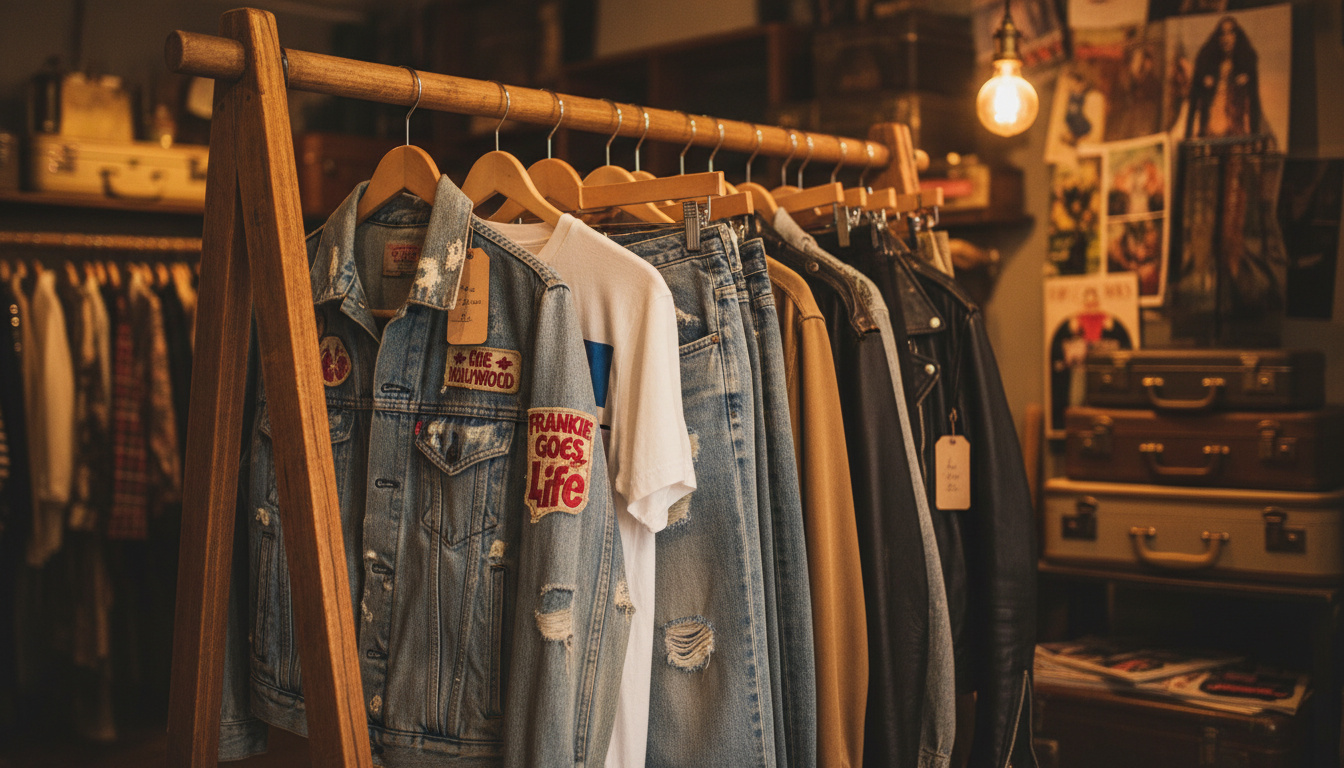
Fat Shack Vintage operates from Fremantle’s commercial district, positioning itself as a specialist in American and Australian workwear spanning the mid-twentieth century to the 1990s. The store sources denim, military surplus, and graphic band tees, drawing collectors and casual shoppers seeking alternatives to contemporary fast-fashion cycles. Their Instagram presence documents weekly arrivals, attracting a following that tracks specific vintage eras and garment conditions.
Located within the heritage-listed West End precinct, the shop contributes to Fremantle’s retail landscape, serving both local residents and tourists exploring the port city’s independent storefronts. The business maintains sourcing relationships with suppliers across Australia and the United States, ensuring consistent inventory turnover.
Product Categories and Sourcing Grid
The inventory breaks down into four primary verticals, each requiring distinct authentication knowledge and restoration techniques.
- Denim Archive: Heavyweight selvedge jeans and work jackets from the 1950s through 1980s, including Levi’s 501 variations and Wrangler archival pieces.
- Band and Concert Tees: Single-stitch cotton shirts from 1970s and 1980s rock, punk, and metal tours, authenticated through tag seams and print methodology.
- Military Surplus: Field jackets, cargo trousers, and utility shirts from Australian Defence Forces and United States military contracts.
- Workwear Heritage: Canvas overalls, chore coats, and safety boots reflecting mid-century industrial manufacturing standards.
This categorization allows the store to serve multiple customer segments, from historians researching textile production to stylists sourcing for film and television productions.
Market Insights
The vintage retail sector in Western Australia has shifted toward experiential commerce, where physical stores function as archival repositories rather than simple transaction points. Fat Shack exemplifies this model through rigorous garment inspection and minor restoration work performed on-site. According to Australian Fashion Council data, independent vintage operators now capture significant market share from traditional retail, driven by consumer interest in circular fashion economies.
The store’s pricing structure reflects global vintage market fluctuations. Rare band tees from the 1980s command premium figures comparable to contemporary designer streetwear, while utilitarian work shirts from the 1960s remain accessible entry points for new collectors. This tiered approach sustains cash flow while preserving inventory depth across price sensitivities.
Era Breakdown and Characteristics
Vintage classification requires precise dating based on construction techniques and material composition. The following table outlines the store’s primary inventory periods:
| Era | Manufacturing Characteristics | Signature Items | Price Range Indicator |
|---|---|---|---|
| 1950s–1960s | Union-made, heavy cotton duck, chain stitching | Levi’s Type II jackets, western shirts | Premium |
| 1970s | Oil crisis synthetics, flared cuts, wide collars | Band tees, polyester sportswear | Moderate to High |
| 1980s–1990s | Globalized production onset, graphic screen printing | Hip-hop styles, college sweatshirts | Variable |
Understanding these distinctions allows buyers to assess garment authenticity and appropriate pricing without relying solely on vendor documentation.
Operational Details
Authentication protocols at Fat Shack involve examining stitching patterns, label typography, and fabric composition under magnification. For denim specifically, buyers analyze rivet placement and selvedge edge coloring to determine production decade. This technical approach separates curated vintage from generic second-hand clothing, justifying the price premiums applied to verified pieces.
The store also engages with environmental impact assessments regarding textile waste diversion. By extending garment lifecycles beyond the average three-year fast-fashion span, operations like Fat Shack reduce landfill contributions while preserving obsolete manufacturing techniques. Recent investigations into sustainable fashion highlight how Perth-based vintage stores divert approximately twelve tonnes of clothing from waste streams annually.
Business Development Timeline
The operation’s growth reflects broader shifts in Australian retail preferences toward slow fashion and conscious consumption.
- Establishment: Founded in the early 2010s within Fremantle’s West End, initially specializing in 1950s Americana before expanding temporal range.
- Digital Integration: Launched e-commerce platform with detailed garment measurements and condition grading, standardizing vintage online sales practices.
- Community Engagement: Hosted pop-up events collaborating with local musicians and artists, reinforcing the store’s cultural anchoring beyond pure retail.
- Current Operations: Maintains physical showroom with weekly restocking cycles, balancing walk-in trade with online order fulfillment.
Clarifying Vintage Standards
Confusion persists between “vintage” (garments twenty years or older) and “second-hand” (any pre-worn clothing). Fat Shack enforces strict acquisition standards, rejecting stock younger than two decades unless displaying exceptional construction quality or historical significance. This curation protects consumer expectations and maintains inventory integrity.
The distinction matters for garment care as well. True vintage cotton requires different washing protocols than modern reproductions, typically involving cold water and air drying to preserve fiber integrity. The store provides care instructions with high-value purchases, acknowledging that textile conservation practices extend usable garment life significantly. For those interested in learning more about identifying genuine retro items, The Maritime Hotel Bantry offers valuable insights.
Industry Analysis
Australian vintage retail currently navigates supply chain constraints as global demand for mid-century workwear increases. Sourcing trips to the United States Midwest and South—regions with strong workwear heritage—have become standard for serious operators. Fat Shack competes in this environment by maintaining purchasing relationships established over years of wholesale buying.
The sector also faces authentication challenges, with modern reproductions increasingly mimicking vintage construction details. Stores must invest in staff training regarding textile history and manufacturing evolution to maintain credibility. This educational component adds operational cost but creates barrier-to-entry protection against fast-fashion retailers attempting to capture the “vintage aesthetic” with new production.
Voices from the Community
“Finding a perfectly faded 1970s denim jacket requires understanding how indigo breaks down over decades. The fading patterns tell you about the life the garment lived—whether the owner worked outdoors or moved through urban environments. That history is what separates vintage from new distressed denim.”
— Sourcing Team, Fat Shack Vintage
Customers frequently cite the tactile experience of handling heavyweight cotton and selvedge denim as distinct from handling contemporary thin-gauge alternatives. This sensory differentiation drives repeat visits even as online vintage markets expand.
Summary
Fat Shack Vintage maintains its market position through specialized inventory curation, geographic anchoring in Fremantle’s cultural district, and rigorous authentication standards. The operation bridges historical textile preservation with contemporary retail needs, offering consumers access to obsolete manufacturing quality while diverting clothing from waste streams. As the Australian fashion industry continues evaluating sustainability metrics, such specialized vintage retailers provide tangible alternatives to disposable clothing cycles.
Frequently Asked Questions
What specific decades does Fat Shack Vintage stock?
The store focuses primarily on garments from the 1950s through the 1990s, with occasional pieces from earlier periods when available. All inventory must meet the twenty-year minimum threshold to qualify as vintage rather than second-hand.
Does the store purchase clothing from individuals?
Yes, they conduct buying appointments for single items or collections, provided garments meet era requirements and condition standards. Sellers should contact the store directly to schedule authentication assessments.
How does Fat Shack authenticate vintage items?
Authentication involves examining stitching construction, label typography, hardware manufacturing dates, and fabric composition. Staff analyze these elements against historical manufacturing databases to verify production periods.
Is online shipping available Australia-wide?
The store maintains an e-commerce platform with domestic shipping options. Each online listing includes detailed measurements and condition reports to compensate for the inability to handle garments physically before purchase.
Related stories




Liam O'Brien covers Australian politics and public affairs for Australia Current.